
Understanding Emeralds
A comprehensive guide to emeralds from geological formation to investment potential
What is emerald tokenization?
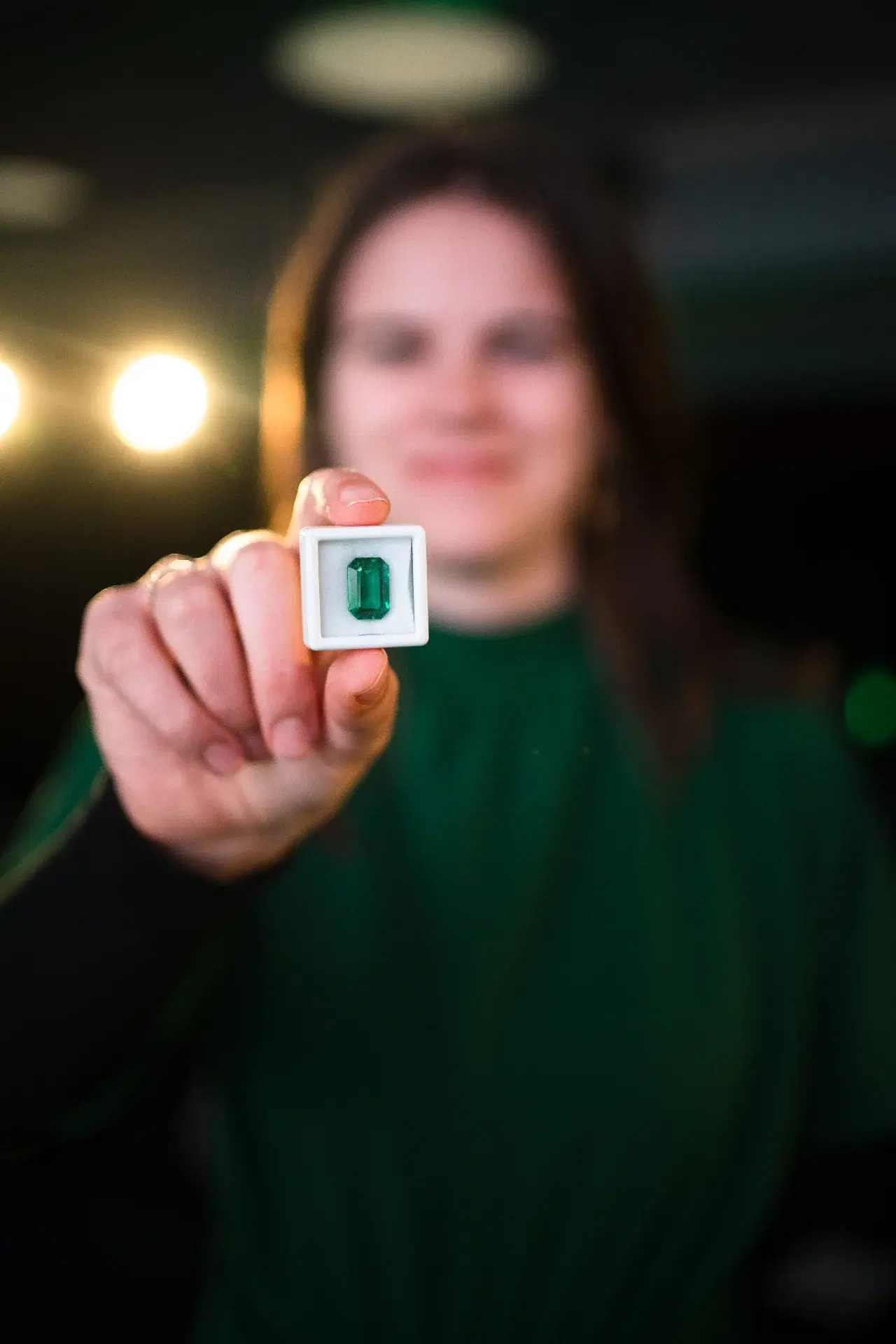
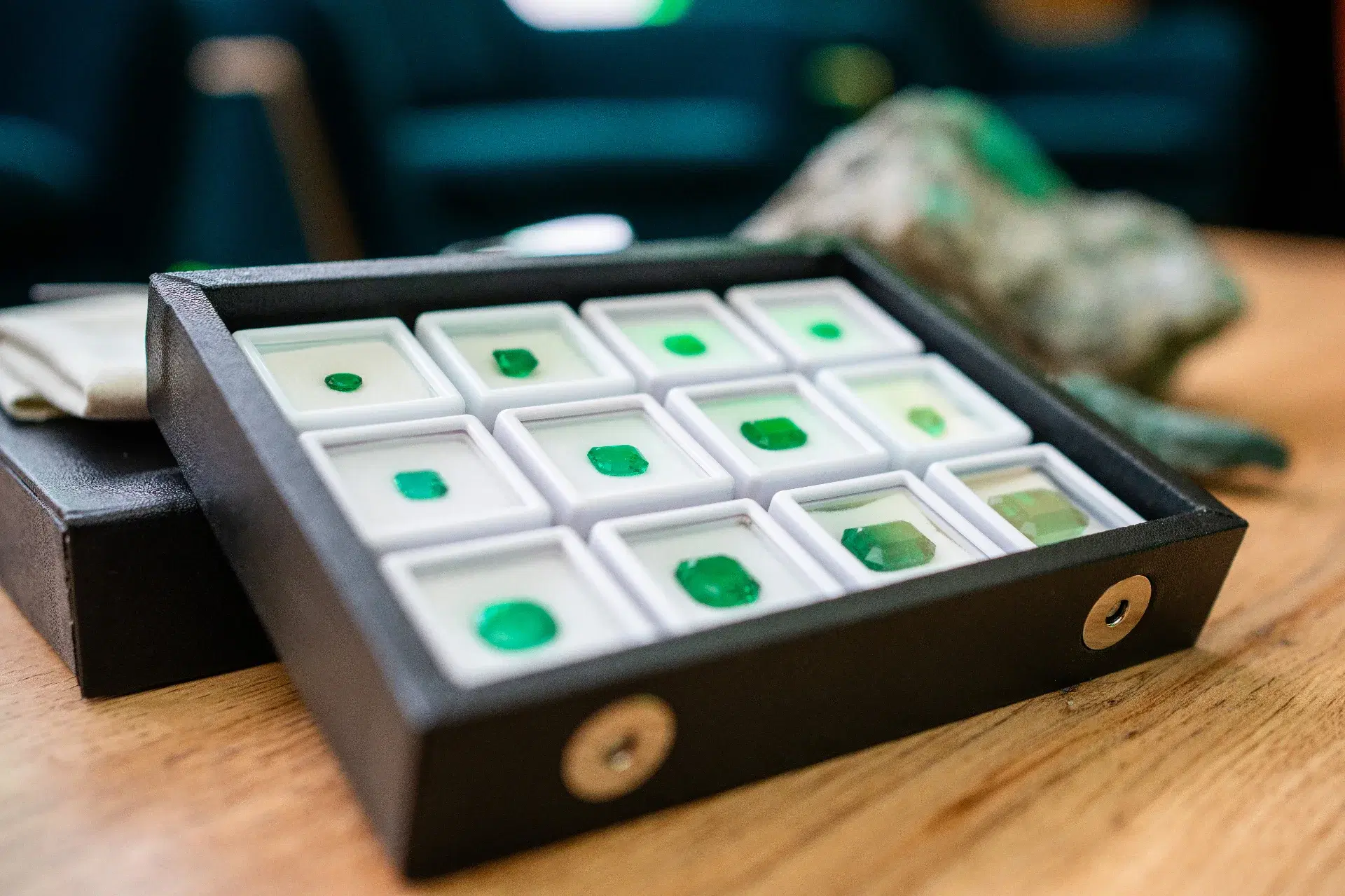
Emerald tokenization is the process of representing fractional co-ownership of physical, vault-stored emeralds as digital tokens on a blockchain. GEMx AG, based in Zug, Switzerland, operates a MiCAR-compliant framework where each token is backed by certified emeralds — stones that are 20x rarer than diamonds and have shown 6-12% historical annual appreciation. All emeralds are certified by Guebelin Gem Lab, stored in Swiss vaults, and independently audited by Grant Thornton.
Geological Formation
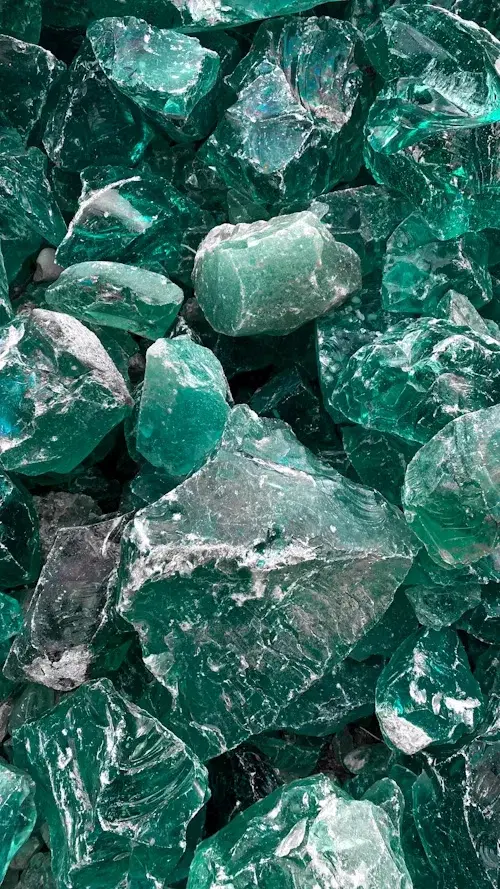
Formation Process
Emeralds are a variety of the mineral beryl (Be3Al2(SiO3)6) colored green by trace amounts of chromium and sometimes vanadium. They form under specific geological conditions that make them exceptionally rare compared to other gemstones.
The formation requires the presence of beryllium, aluminum, silicon, and chromium or vanadium in the same geological environment - a combination that occurs only in very specific circumstances. This rarity is fundamental to emeralds' value proposition as an investment asset.
Key Formation Factors
- Hydrothermal processes at 300-600°C
- Presence of chromium or vanadium
- Specific pressure conditions
- Millions of years of formation time
Investment Characteristics
Scarcity Premium
Emeralds are 20 times rarer than diamonds, with high-quality specimens becoming increasingly difficult to source from established mines.
Price Appreciation
Historical data shows consistent 6-12% annual appreciation for investment-grade emeralds over the past two decades.
Market Independence
Low correlation with traditional financial markets makes emeralds an effective portfolio diversification tool.
20x
Rarer than diamonds
Source: Gemological Institute of America (GIA)
6-12%
Annual appreciation
Source: Christie's & Sotheby's auction data
Up to 400%
Refinement value increase
Cutting, polishing & certification value uplift
Quality Assessment: The 4 Cs
Color
The most important factor in emerald valuation. The ideal emerald displays a vivid, slightly bluish green color with medium to medium-dark tone and strong to vivid saturation.
- Hue: Pure green to slightly bluish green
- Saturation: Strong to vivid intensity
- Tone: Medium to medium-dark
Clarity
Emeralds typically contain inclusions called "jardin" (French for garden). Unlike diamonds, some inclusions are acceptable and don't significantly impact value if they don't affect durability.
- Eye-clean specimens are extremely rare
- Minor inclusions are acceptable
- Fractures that reach the surface reduce value
Cut
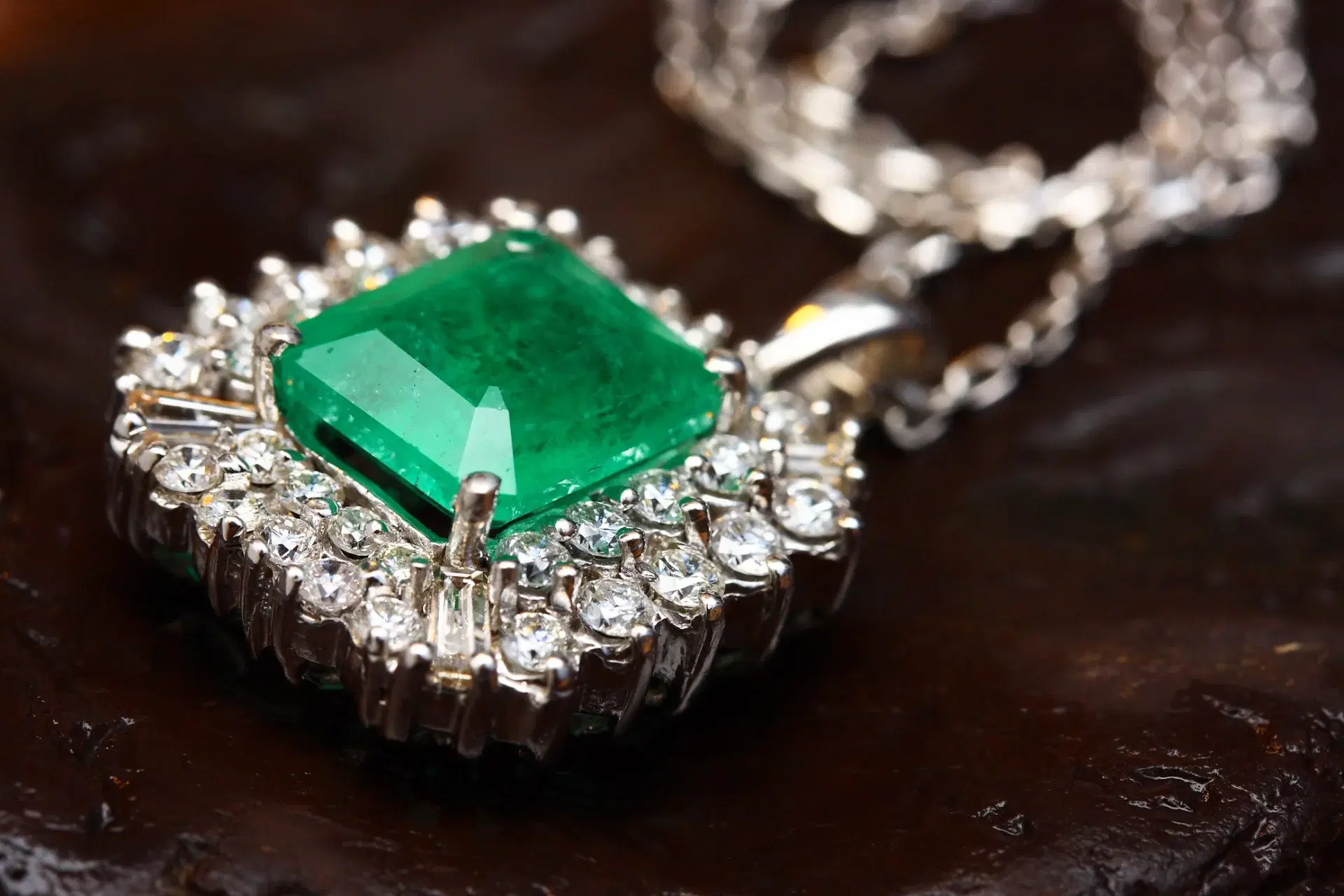
Emerald cut (rectangular step cut) is traditional and helps minimize stress on the stone. The cut should maximize color while maintaining structural integrity.
- Emerald cut is most common
- Oval and cushion cuts are also valuable
- Proportions affect brilliance and durability
Carat Weight
Emerald prices increase exponentially with size. Stones over 1 carat of fine quality are particularly rare and command premium prices.
- 1-2 carats: Most liquid market segment
- 3-5 carats: Significant premium
- 5+ carats: Exceptional rarity
Major Mining Regions
Colombia
Produces the world's finest emeralds from Muzo, Chivor, and Coscuez mines.
- Superior color quality
- Historical significance
- Premium market positioning
Zambia
Kagem mine produces emeralds with excellent clarity and bluish-green color.
- Consistent production
- Good clarity characteristics
- Sustainable mining practices
Brazil
Multiple deposits producing emeralds with varying characteristics and strong investment potential.
- Diverse quality range
- Belmont and Nova Era mines
- Growing market presence
- Strong investment potential
Treatment and Enhancement
Important Note:
Over 95% of emeralds undergo some form of treatment to improve their appearance and durability. Understanding these treatments is crucial for investment decisions.
Oil Treatment
The most common and accepted treatment involves filling surface-reaching fractures with colorless oil or resin to improve clarity and appearance.
- Cedar oil is traditional
- Synthetic resins for durability
- Minimal impact on value when properly disclosed
Market Standards
The gemstone industry has established clear standards for treatment disclosure and grading that affect market value and investment potential.
- Full disclosure required
- Treatment grades (None, Minor, Moderate, Significant)
- Impact on certification and value
Investment Framework
Key Investment Metrics
Quality Benchmarks
- Color: Vivid green (GIA standards)
- Clarity: Eye-clean to slightly included
- Size: 1-2 carats for liquidity
- Origin: Colombian, Brazilian, or Zambian preferred
- Treatment: Minor oil treatment acceptable
Market Dynamics
- Supply constraints from major mines
- Growing demand from emerging markets
- Institutional adoption increasing
- ESG considerations in sourcing
- Technology enabling fractional ownership
Certification Standards

Gübelin Gem Lab
Swiss laboratory renowned for emerald identification and origin determination. Provides the most respected certifications in the industry.

WGI
World Gemological Institute providing comprehensive gemological services including emerald evaluation and certification with international recognition.
Investment Outlook
Supply Factors
- Declining production from established mines
- Increasing mining costs and regulatory challenges
- Limited discovery of new high-quality deposits
- ESG requirements constraining supply
Demand Drivers
- Growing wealth in emerging markets
- Institutional adoption of alternative assets
- Technology enabling fractional ownership
- Inflation hedge characteristics